A Deep Dive into 3D Marketing and 3D Advertising
Discover 3D Marketing and Advertising: benefits, examples, and future insights using 3D visualization as a marketing tool.
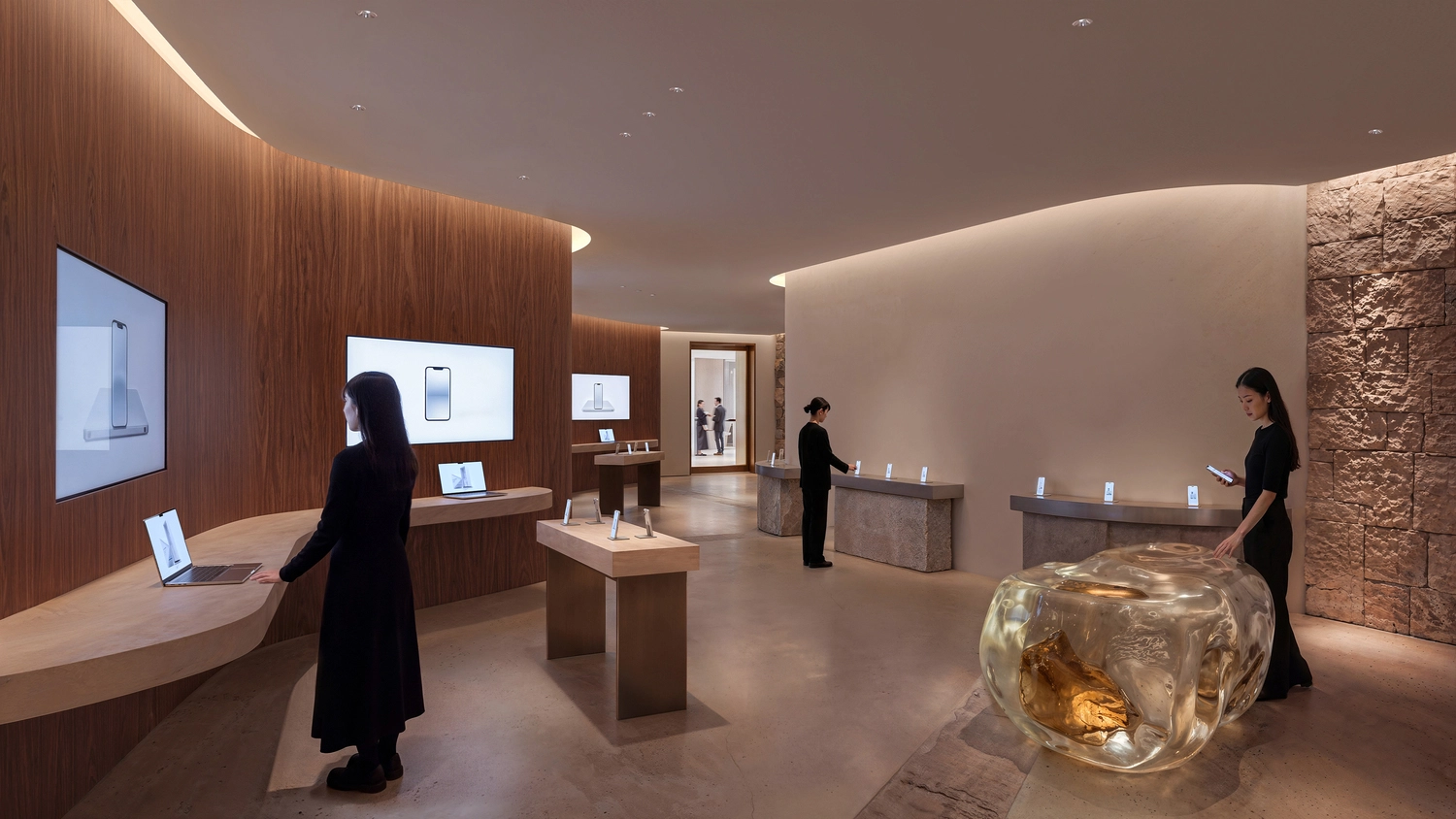
Most product brands underestimate how much their marketing slows down when visual production becomes a bottleneck. A new SKU is ready to launch, but the photoshoot isn't scheduled for three weeks. The prototype arrived late. The colorway changed after the shoot was already done. These aren't edge cases — they're the default for brands managing 20, 50, or 100+ SKUs per season.
3D marketing and 3D advertising exist to solve exactly this. Not as a creative experiment, but as a production strategy. In this article, we'll break down what 3D marketing and advertising actually mean, why the business case is stronger than ever in 2026, and how brands across e-commerce, consumer goods, and retail are using CGI to create faster, more consistent, and more scalable visual content.
What Is 3D Advertising and 3D Marketing?
3D technology can power both digital marketing and advertising — but the two serve different purposes, and it's worth being precise.
Marketing is the work of understanding what your customers need and creating the conditions that make them want to buy. Advertising is how you pay to put that message in front of them. Here's where 3D fits into each:
3D Visualization for Marketing
In a marketing context, 3D visualization is mainly a product communication tool. Take a furniture brand launching a sofa in eight fabric options and three leg finishes — that's 24 SKU combinations. Producing consistent photography for all 24 variants isn't practical. With 3D visualization for marketing, you build one master model and generate every variant from it. The lighting, angle, and composition stay identical across all 24 images, which matters when customers are comparing options side by side on a product page. In 2026, those same 3D assets can also power AR placement — letting shoppers position the sofa in their own living room before buying. Brands using AR on product pages consistently report lower return rates, because customers arrive at purchase decisions with more realistic expectations.
3D Modeling in Advertising
On the advertising side, CGI has largely replaced traditional product photography for paid media. A single 3D asset can be adapted for a 6-second pre-roll video, a static social image, a DOOH billboard, and a connected-TV commercial — all from the same source file, without scheduling a new shoot for each format.
This is particularly valuable when running campaigns across multiple markets. Changing the background environment, resizing for different platforms, or localizing text overlays takes hours in a CGI workflow. In a traditional photography workflow, it would require entirely new shoots. PIXREADY's portfolio of 3D product work shows what this looks like in practice across categories from consumer electronics to lighting and home goods.
10 Reasons to Build Your Marketing Strategy Around 3D Visualization
1. One Asset Does the Work of Dozens
The real cost of traditional product photography isn't the shoot itself — it's everything around it. Coordinating prototypes, booking studios, hiring models, managing reshoots when something changes. For a brand launching 40 products per season, that overhead compounds fast.In a CGI workflow, one base 3D model can generate hundreds of output variations — different colors, materials, environments, angles, and formats — without additional shoots. A bathroom fixtures brand can showcase 12 finish options (brushed brass, matte black, chrome, and more) from a single model file. That's the actual cost saving: not just fewer shoots, but fewer coordination cycles, fewer revision rounds, and fewer dependencies.
2. Photorealism Without the Constraints of Photography
Photography has hard limits. Reflective materials like chrome or polished metal are notoriously difficult to shoot — they pick up the studio, the camera, the crew. Transparent materials like glass scatter light unpredictably. Small, intricate components are nearly impossible to light consistently across a large product range.
3D product rendering removes those constraints entirely. You control every light source, every surface property, every shadow — which is why CGI often produces cleaner, more consistent results than photography for products in those categories. The output looks like photography, but without the limitations of a physical set.
.webp)
3. Your Brand Looks Current — Because the Production Method Is
In consumer electronics, furniture, automotive, and luxury goods, CGI-first content production isn't a differentiator anymore — it's the baseline. The brands leading those categories stopped doing traditional product shoots years ago. Their competitors followed.
If your category hasn't made that shift yet, that's a window. But it won't stay open. Customers and retail buyers have developed visual fluency — they can tell when product imagery is inconsistent, poorly lit, or obviously dated. Brands that produce consistent, high-quality visuals across every touchpoint signal competence and attention to detail before a customer has read a single word.
4. Creative Control That Photography Can't Match
With photography, you fix problems in post. With 3D, you design the outcome from the start. Every surface finish, texture variation, lighting angle, and shadow is a deliberate choice — and every change is non-destructive. If a client wants to see the product on a white background, a lifestyle scene, and a dark editorial background, those are three renders from one model, not three separate setups.
This matters most for products with complex visual requirements: packaging that must look identical across 30 SKUs, furniture with 40+ fabric options, or electronics where every port, seam, and surface finish needs to read clearly. Traditional photography can't produce that level of consistency at scale. 3D product rendering can.
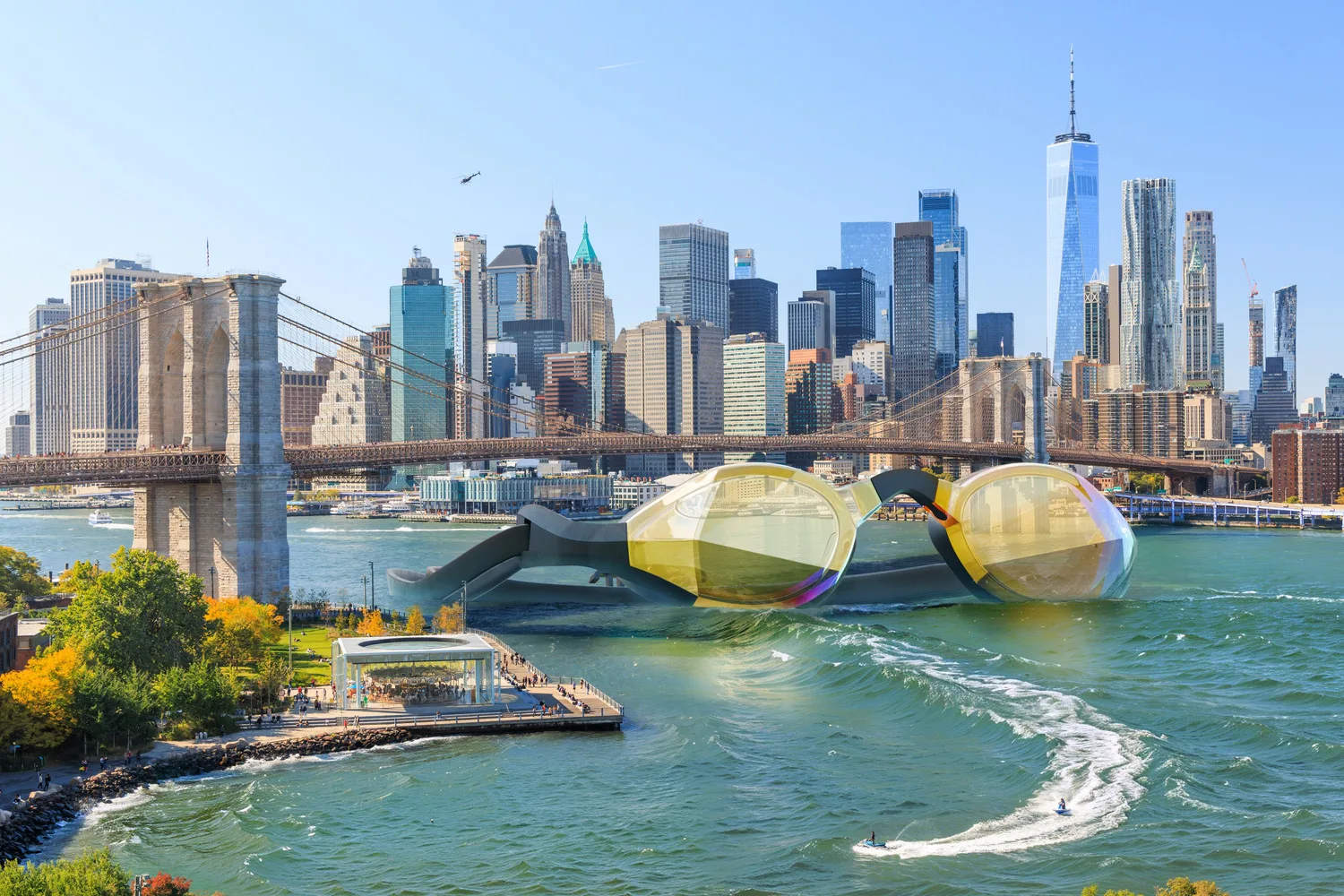
5. Marketing Doesn't Have to Wait for Production
This is where things usually break down. Marketing needs campaign assets four weeks before launch. The product prototype won't be ready for six weeks. So either the launch slips, or marketing works with placeholder images and scrambles to update everything last-minute.
With 3D visualization, marketing can start building campaign assets the moment the product design is finalized — not when the first physical unit arrives. The 3D model is built from the same spec files used by engineering. By launch day, all the campaign imagery, product page visuals, and video content are ready. Production and marketing stop blocking each other.
6. Sell What the Product Does, Not Just What It Looks Like
The most effective product marketing doesn't just show the product — it shows the customer's life with the product in it. A running shoe in a white-background studio is a product image. The same shoe worn mid-stride on a mountain trail at golden hour is a lifestyle story.
3D makes that story easier and cheaper to tell. You can place your product in any environment, any context, any lighting condition — without location fees, talent fees, or weather dependencies. Including people in 3D renders goes a step further, giving customers a realistic sense of scale, proportion, and real-world use. 3D product animation extends that into motion — showing how a product works, assembles, or functions in a way that static images can't.
7. The Same Asset Scales Across Every Format and Market
A photograph is fixed. Cropping it for a different aspect ratio often means losing key visual elements. Scaling it up for a large-format print degrades quality. Using it for a market with different language requirements means reshooting or awkward text overlays. A 3D model has none of those constraints. The same asset can generate a square social image, a widescreen banner, a vertical mobile ad, and a print-ready file at whatever resolution is needed. If you're running campaigns in five countries, localization is a matter of hours, not weeks. And if you outsource 3D rendering to a specialist studio, scaling up output for a product launch or seasonal campaign doesn't require hiring additional internal staff.
8. Show Products That Don't Exist Yet
Pre-launch visual content is one of the highest-leverage uses of 3D. Brands can build investor decks, crowdfunding campaigns, retailer sell-in presentations, and pre-order pages using photorealistic product imagery — before a single unit has been manufactured. 3D product rendering removes the physical prototype as a gating requirement for marketing. That compresses go-to-market timelines significantly and gives brands the ability to test market response — through ads, landing pages, or social content — before committing to large production runs.
9. Higher Conversion Rates, Measurably
The connection between richer product visuals and higher conversion is well-established. Shoppers who interact with 3D or AR product experiences spend more time on product pages, ask fewer pre-purchase questions, and are more likely to complete a transaction. They also return fewer items, because the 3D experience gave them accurate expectations about size, finish, and detail. For e-commerce brands managing large catalogs, this isn't a marginal improvement — 3D visualization for e-commerce is a direct lever on revenue per visitor. 3D product modeling is what makes the interactive layer possible.
10. The Production Gap Between You and Larger Brands Is Smaller Than You Think
Large-scale retailers and global brands don't necessarily produce better product content — they produce more of it, faster. That used to require budget and infrastructure that smaller brands couldn't match. CGI has changed that equation.
A mid-sized brand working with a specialist 3D studio can produce product visuals at the same quality level as a global player, with comparable turnaround, at a fraction of the cost of building that capability in-house. The brands that are winning right now aren't always the ones with the best products — they're the ones who can visualize their products consistently across every channel and get that content to market fast.
How to Use 3D Visualization for Marketing and Advertising Purposes
Interactive Product Presentations That Replace Static Galleries
A 360° product view gives online shoppers the closest equivalent to handling a product in a store. They can rotate it, zoom into materials, switch between colorways, and examine details that a single hero shot would miss. For high-consideration purchases — furniture, electronics, equipment, premium apparel — this kind of interactive experience directly reduces purchase hesitation.
Product Configurators That Let Customers Build Their Version
3D configurators are particularly effective for products with meaningful personalization options — kitchen cabinetry, furniture, sports equipment, lighting, or anything with multiple material and color variants. Instead of showing customers a dropdown menu of options they can't visualize, a configurator lets them build their version in real time, seeing exactly what they'll get. As PIXREADY's guide to 3D product customization covers in detail, brands using configurators see measurable increases in time on page, conversion rate, and average order value.
AR Try-On and Room Placement
For apparel, eyewear, cosmetics, and home goods, AR experiences let customers answer the question that most frequently blocks a purchase: "Will this work for me?" A furniture brand that lets shoppers place a sofa in their living room before buying will always outconvert one that doesn't. The 3D assets needed for AR are the same assets you'd build for product pages and advertising — the incremental cost of enabling AR is far lower than most brands expect.
Gamification and Interactive Product Storytelling
Gamified content — configurators that unlock discounts, interactive demos that guide users through product features, branded experiences that reward engagement — keeps audiences with your brand for longer and gives them a reason to share. Paired with 3D product animation, an interactive product launch can generate the kind of organic engagement that paid media alone can't buy.
The Future of 3D Visualization in Marketing and Advertising
3D marketing has been mainstream for several years now — what's changing is the depth of integration and the speed of production.
AI is compressing the timeline, not replacing the craft. As PIXREADY's breakdown of AI rendering tools vs. traditional 3D rendering shows, AI is being used to accelerate scene generation, automate lighting setups, and speed up texture work. The creative and quality decisions still require experienced 3D artists. The result is faster turnaround without the quality compromise that fully automated tools produce.
CGI-first is the new default for product launches. The standard approach for brand-led product launches is now: build 3D assets from engineering specs, produce the full visual library before manufacturing is complete, launch globally on day one. Waiting for physical prototypes to be shoot-ready is a competitive disadvantage most brands can no longer afford.
Virtual spaces are becoming a serious marketing channel. Brands are building 3D virtual spaces — persistent digital environments for product discovery, retailer presentations, and customer experience. These aren't novelties. They're product showrooms that are always available, never need restocking, and can be updated in hours rather than weeks.
The direction of travel is clear: the brands that build scalable CGI production pipelines now will have a structural content advantage over the ones that continue to depend on physical shoots.
Conclusion
The brands that are winning right now aren't necessarily the ones with the best products. They're the ones who can visualize those products consistently, adapt to new channels quickly, and get content to market before the competition.
3D visualization is the production infrastructure that makes that possible. It's not a creative upgrade — it's an operational one. And the longer brands delay building that capability, the harder the gap becomes to close.
If you’re looking for a reliable partner, an expert in 3D visualization service for marketing agencies, then you have no need to search anywhere else.
At PIXREADY, we’re prepared to support and enable all your wildest 3D marketing and advertising needs and ideas. Besides offering all types of product CGI, we also do other forms of 3D visualization – for interiors and architecture. Whether you're launching a new product line, rebuilding your visual library, or looking to replace photoshoot dependencies with a more efficient CGI workflow, we can help you scope the project and figure out what makes sense.
Get 3d expert on your side
More than a 3D rendering vendor, PIXREADY acts as a strategic CGI partner helping brands
сreate scalable visual content for marketing, sales, and product launches. Let's explore your
project and discuss how CGI can support your business goals!
.png)
Founded by a group of technology, architecture, and design professionals in 2018, PIXREADY is one of the challengers empowering the 3D visualization industry and making its products and services more affordable.We are determined to assist businesses around the world to create photorealistic images of their products and ideas and enrich the experience of their clients. We focus on the details, with the highest precision in every pixel.

.webp)
